Industry 4..0
Understanding Industry 4.0
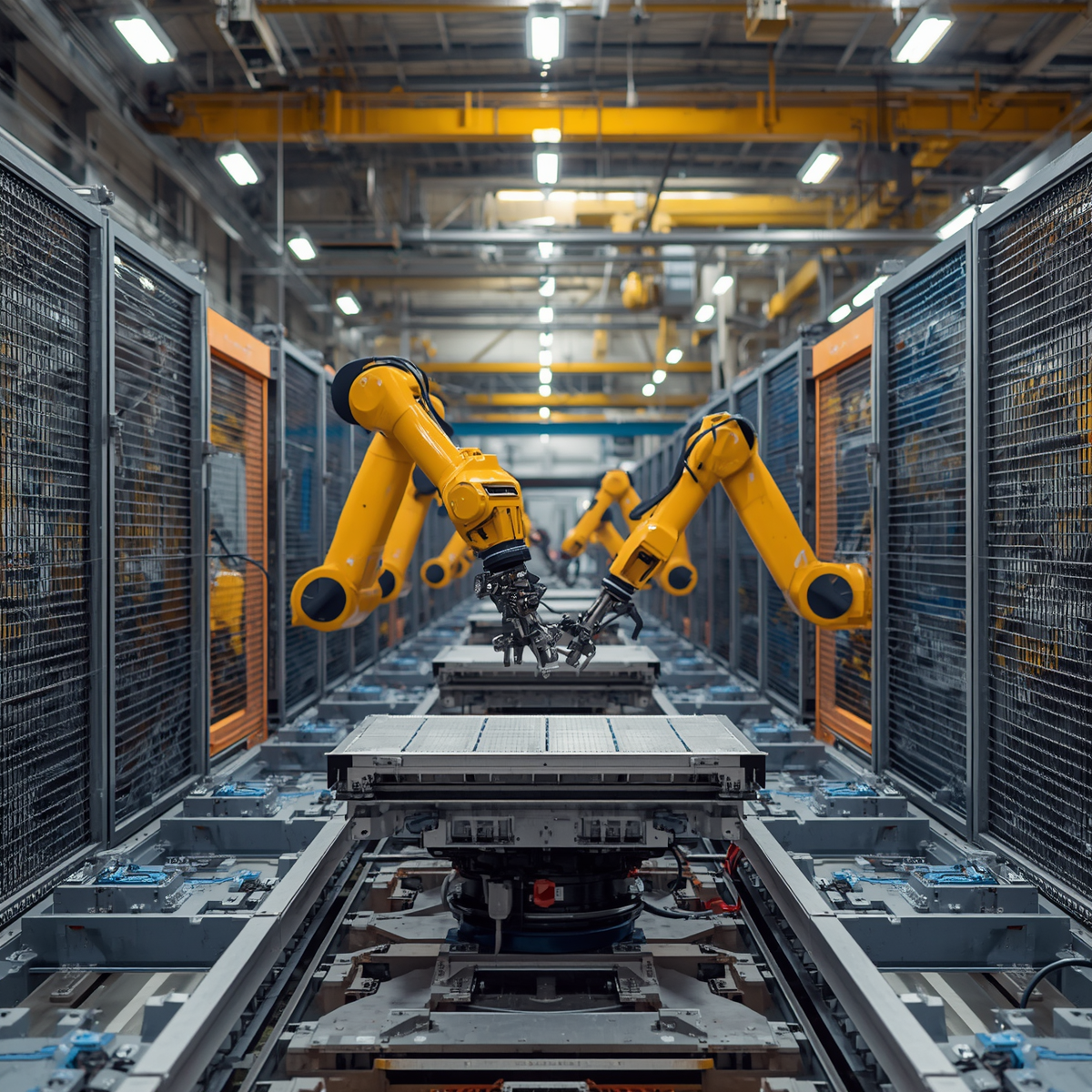
Industry 4.0 (the Fourth Industrial Revolution) represents the intelligent integration of advanced digital technologies into manufacturing and industrial processes. By embedding the Industrial Internet of Things (IIoT), Artificial Intelligence (AI), Cloud Computing, and Big Data Analytics directly into physical infrastructure, Industry 4.0 merges operational systems into a cohesive, interconnected, and autonomous ecosystem.

Key Advantages of Industry 4.0
Hyper-Efficiency & Productivity: Automation, real-time data tracking, and optimized workflows significantly reduce manual errors and overhead costs, maximizing asset utilization.
Predictive Maintenance: Continuous monitoring via IoT sensors detects machinery wear and tear before failures occur. This transitions factories from reactive repair cycles to proactive maintenance, slashing unplanned downtime.
Mass Customization: Advanced simulations and additive manufacturing (e.g., 3D printing) allow production lines to seamlessly pivot, enabling highly customized product runs at near mass-production costs.
Enhanced Supply Chain Visibility: Breaking down information silos allows data to flow securely across vendors, internal departments, and clients, enabling agile, data-driven decisions based on live market conditions.
Improved Workplace Safety: Dull, dangerous, or highly repetitive operational tasks are systematically delegated to automated systems and collaborative robotics (cobots), protecting human capital.
Key Advantages of Industry 4.0
Hyper-Efficiency & Productivity: Automation, real-time data tracking, and optimized workflows significantly reduce manual errors and overhead costs, maximizing asset utilization.
Predictive Maintenance: Continuous monitoring via IoT sensors detects machinery wear and tear before failures occur. This transitions factories from reactive repair cycles to proactive maintenance, slashing unplanned downtime.
Mass Customization: Advanced simulations and additive manufacturing (e.g., 3D printing) allow production lines to seamlessly pivot, enabling highly customized product runs at near mass-production costs.
Enhanced Supply Chain Visibility: Breaking down information silos allows data to flow securely across vendors, internal departments, and clients, enabling agile, data-driven decisions based on live market conditions.
Improved Workplace Safety: Dull, dangerous, or highly repetitive operational tasks are systematically delegated to automated systems and collaborative robotics (cobots), protecting human capital.
Driving Industry Digitization
Industry 4.0 is the foundational catalyst behind industrial digitization—the strategic shift from isolated, analog manufacturing floors to automated, data-centric architectures. It achieves this transformation through four distinct vectors:
IT & OT Convergence:Bridges the gap between Information Technology (enterprise systems) and Operational Technology (physical machinery), making operational data globally accessible.
The 'Digital Twin' Model: Creates an exact virtual replica of physical operations. Operators can safely test scenarios, predict defects, and optimize parameters before actual physical deployment.
Proactive Business Models: Shifts management from reactive firefighting to predictive analytics. Algorithms forecast demand curves, material bottlenecks, and maintenance needs well in advance.
Ecosystem Integration:Ensures seamless vertical integration (from shop-floor sensors up to corporate ERP software) and horizontal integration (from raw material suppliers directly to end consumers).